

Activating Stakeholders on Your Campus
by Ceinna Bush
High school counselors are at the center of nearly every support system that exists on a campus. From academic planning and social-emotional support to postsecondary readiness and crisis response, much of what happens in a school eventually runs through the counseling office.
After working in multiple school-based roles including high school counselor, college advisor, mentor, and reflecting through the lens of a former student, one truth has remained constant: students thrive when the adults and partners around them are aligned, engaged, and working toward the same goal.
Activating stakeholders is not about adding more meetings or initiatives to your plate. It is about building intentional relationships, creating shared ownership, and using collaboration as a strategy for student success.
Who Are Our Key Stakeholders?
On most high school campuses, our main stakeholders include:
Ourselves (Counselors + Advisors)
Administration
Teachers and School Staff
Students
Parents and Families
Community Partners & Organizations
Each group plays a different role, but all are essential. Below are practical ways to engage each one based on real strategies that can work across multiple school sites.
1. Counselors: Start With Your Own Team
Before activating anyone else, counselors must be aligned.
Why this matters: When counselors are disconnected, students receive mixed messages, initiatives stall, and burnout increases.
How to activate your counseling team:
Ask what they want to be involved in and what they are passionate about
Assign responsibilities based on strengths and interests, not just job titles
Create shared goals for the semester or year so everyone is working toward the same outcomes
Rotate leadership roles within the team (meeting facilitator, data lead, family outreach point person)
Build in time to celebrate wins, even small ones, to reinforce morale and connection
Hold consistent meetings (weekly or biweekly) focused on student needs, campus initiatives, and problem-solving
My example: During my time at Venice High School, I personally supported Black History Month by creating a cultural display in the main building and coordinating a schoolwide assembly with our Black Student Union. I was deeply engaged as the counselor because I truly enjoyed overseeing the project, the students were activated because the events and programs were intentionally student-centered, and other stakeholders, including administration and staff, were also motivated to participate and support throughout the month.

2. Administration: Move From Reporting to Partnership
Why this matters: Administrators make decisions that impact staffing, scheduling, funding, and student support. When counselors bring data and solutions, not just concerns, trust grows.
How to engage administration:
Clearly communicate what students are missing and where gaps exist
Provide feedback on interventions and outcomes
Volunteer to spearhead initiatives aligned with campus goals
Schedule regular data meetings (monthly or quarterly)
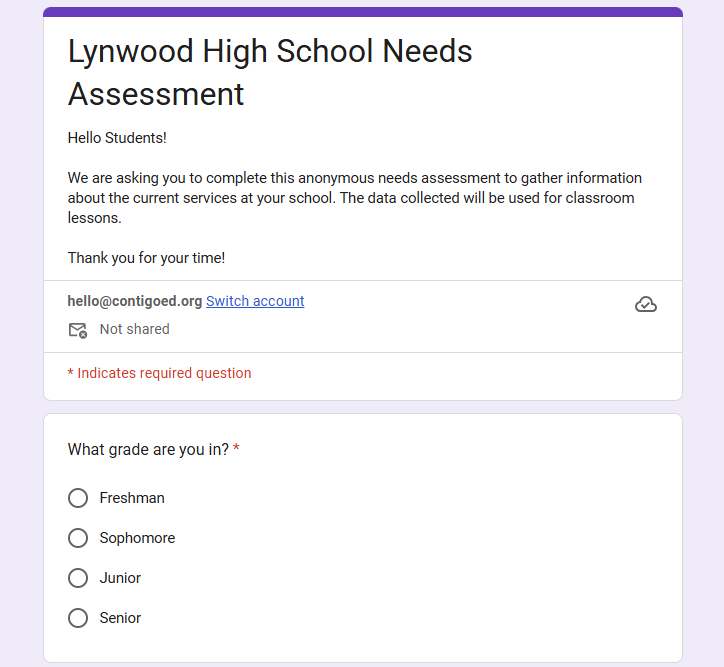
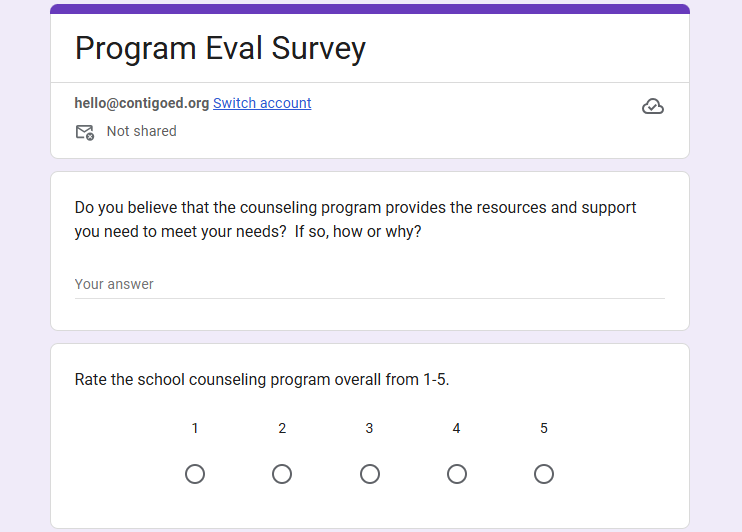
My example: I worked closely with administrators by sharing student feedback, helping design interventions, and leading mentor groups. My team and I conducted surveys, analyzed the data, and presented findings directly to the administration team. This not only supported leadership decisions, but strengthened our role as advocates for students.
3. Teachers & Staff: Build Shared Ownership
Why this matters: Teachers and staff interact with students daily. When they understand students’ emotional, academic, and environmental realities, support becomes proactive rather than reactive.
How to activate teachers and staff:
Use professional development time intentionally
Co-create presentations instead of delivering them solo
Connect content directly to classroom realities
Follow up after PD sessions with resources or check-ins to sustain momentum
Share quick, actionable strategies teachers can use immediately with students
Invite teachers to help identify student trends or concerns they are seeing
My example: During weekly PD, I led a presentation on A.C.E.S (Adverse Childhood Experiences) to help staff better understand student behavior and needs. Teachers helped facilitate portions of the session, which made the content feel relevant and collaborative, not top-down.
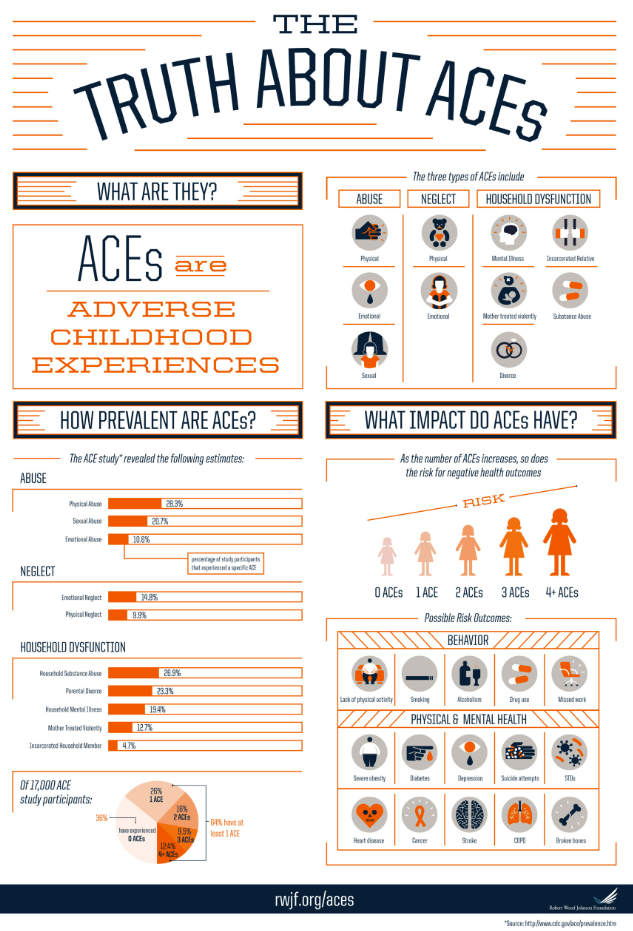
Infographic from https://thrive.psu.edu/blog/what-are-adverse-childhood-experiences/
4. Students: Give Them Real Voice and Leadership
Why this matters: Student buy-in is strongest when feedback leads to visible action.
How to engage students:
Offer leadership opportunities beyond student government
Inform and encourage participation in town hall meetings
Host listening sessions
Act on feedback and communicate outcomes
Create platforms for students to showcase talents
Real examples:
At Dominguez High School, I encouraged students to attend city hall meetings and share their perspectives directly with local leaders. One of my students was later featured in the local newspaper for the poise and clarity she demonstrated while expressing her views, a moment that remains one of my proudest experiences as an advisor.
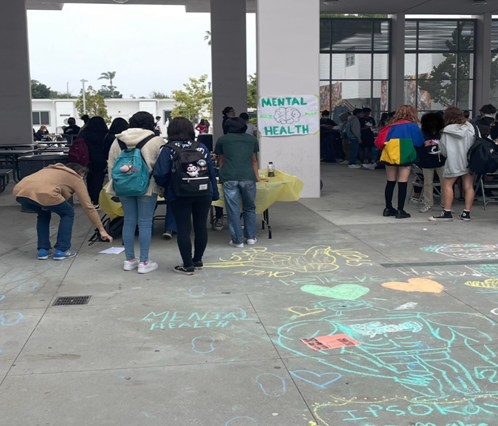
At Venice High School, students met with community partners during lunch, showcased talents during school events, and promoted clubs through student-led presentations.
These experiences increased confidence, civic engagement, and school pride.

5. Parents & Families: Meet Them Where They Are
Why this matters: Parents are powerful advocates when they feel respected, informed, and included.
Ways to activate parents:
Invite parents to share their businesses or professional expertise
Offer flexible volunteer opportunities
Ask families what days, times, and formats work best for them
Attend PTA meetings consistently
Use incentives, friendly competitions, or family-focused events
When parents see their voices reflected in programming, engagement increases naturally.
6. Community Partners: Bring Resources Onto Campus
Why this matters: Community organizations expand what schools can offer academically, socially, and emotionally.
Ways to activate community partners:
Invite them on campus for student, family, or staff presentations
Collaborate on workshops, mentoring programs, or outreach events
Advocate with administration for designated campus space for partners
Establish clear expectations around roles, communication, and student outcomes
Include partners in planning conversations so efforts align with campus goals
Highlight partner involvement through newsletters or events to build visibility and trust
When partnerships are visible and consistent, students learn how to access support systems beyond high school.

Activating stakeholders is not about doing everything yourself, but about creating systems where students are supported from multiple angles and where counselors are recognized as connectors, collaborators, and campus leaders. When counselors intentionally engage administration, teachers, students, families, and community partners, schools become more responsive and students gain access to opportunities that extend far beyond the classroom. If there is one key takeaway, it is to start with one stakeholder group, build trust, and grow from there. Sustainable engagement is built step by step, and counselors are uniquely positioned to lead this work!
