

Engagement Without Attendance
Strategies for Engaging Families Who Can’t Attend Events
by Ceinna Bush
Family engagement is one of the strongest predictors of student success, but in today’s world, showing up to campus events is not always realistic for many families. Work schedules, limited transportation, health concerns, and competing responsibilities often mean that even the most supportive parents cannot attend college nights, FAFSA workshops, or senior meetings.
Which leads us to the core issue: How can we make our events accessible to families who cannot attend 🤔?
After 10 years working in college and career advising, I have learned that meaningful family engagement is not about the number of people in the room. It is about the accessibility of your communication, resources, and intentions. So here are some practical strategies that counselors can implement immediately. These are inspired by real tactics I have used and enhanced with ideas you can bring to your own campus.
1. Transform Events Into Experiences Families Can Access Anywhere
One thing that has really helped my families is recording workshops or meetings and sharing them afterward through email, Remind, YouTube or QR codes around campus. Parents appreciate being able to pause, rewind, and watch whenever it works for them.
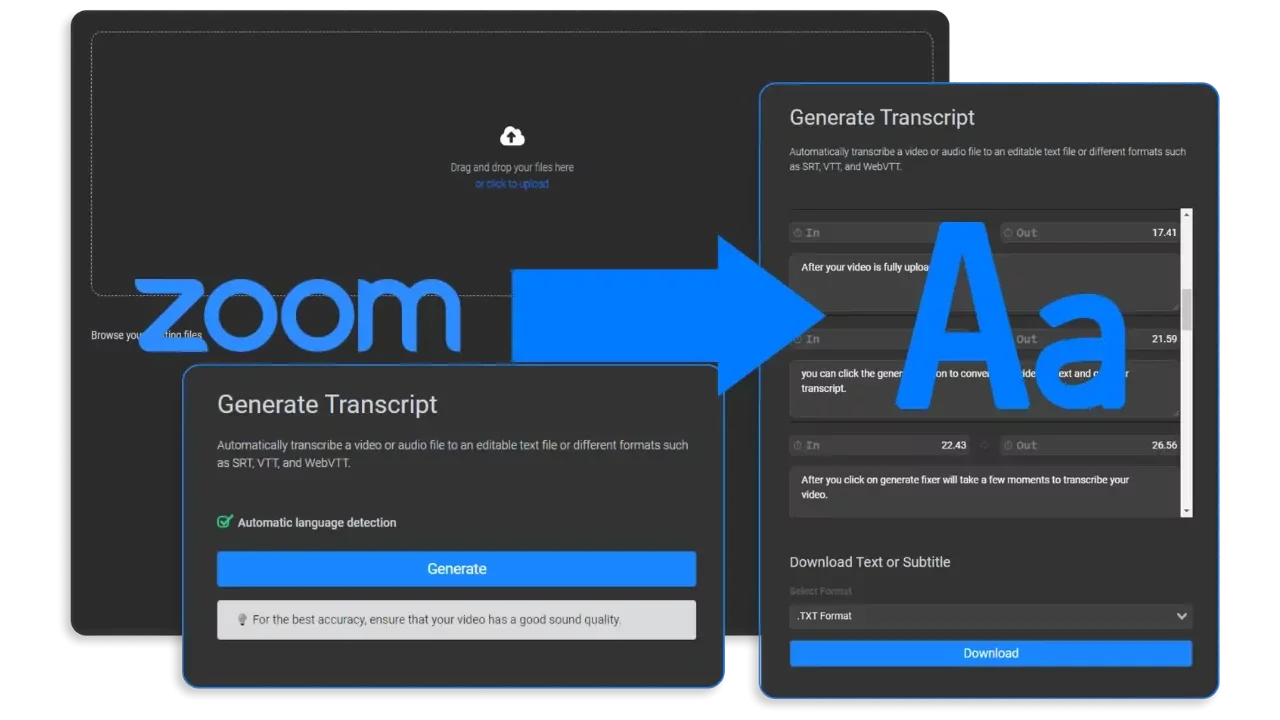
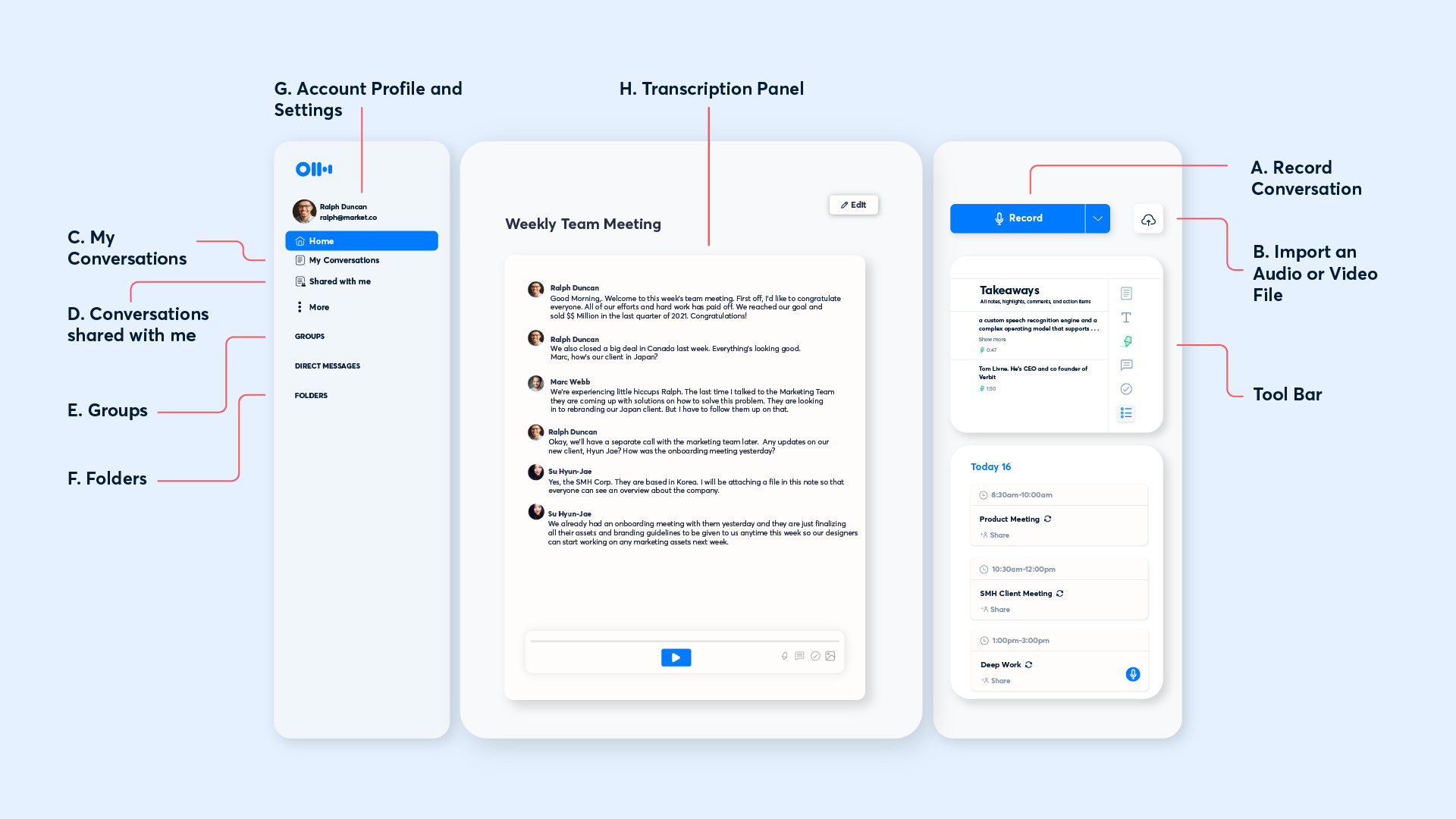
💡Tip: Use AI tools to generate transcripts, summaries, or multilingual versions. Tools like Otter.ai or Zoom transcripts make this easy.
2. Diversify Communication Channels
Families use different platforms, so counselors should too 🤗.
Some tools I have used successfully include:
Remind for quick text updates
WhatsApp groups for multilingual communication
Blackboard and Google Classroom for mass messages
Instagram or Facebook Live for event recaps
Email newsletters with clickable resources (see my personal example below)
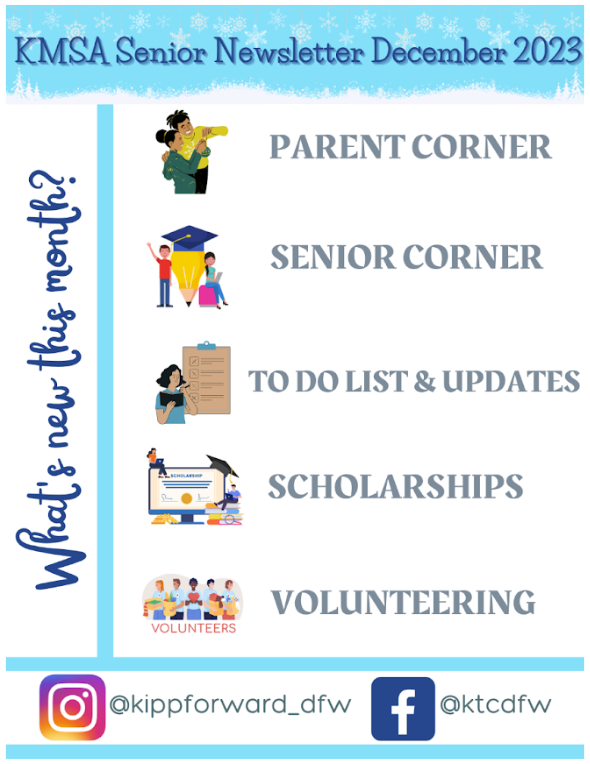
You never know which message a parent will see, but when your communication appears in multiple places, they are bound to see something 🤷🏾♀️.
3. Make Information Bite-Sized and Easy to Absorb
Sometimes long newsletters can overwhelm families, and although I have used them in the past, they are not always the best fit for every campus or community. Short updates are often easier to digest, so consider incorporating these too:
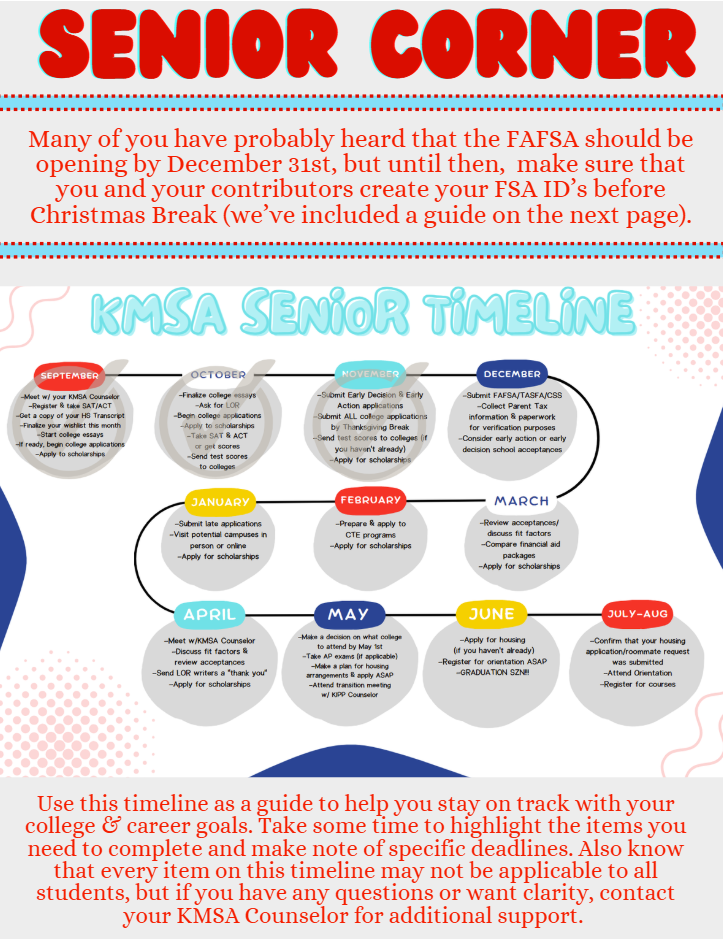
Hot Topic Alerts that highlight the top five things families need to know each week or month (see my Senior Timeline below) 🗓️
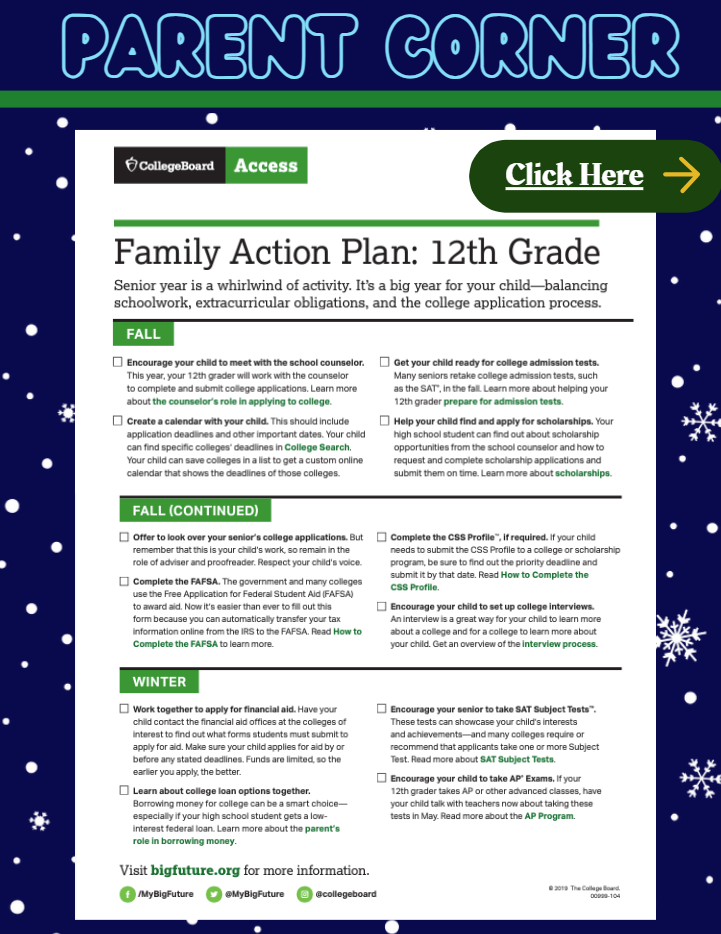
Task checklists for items like FAFSA, college applications, and senior year deadlines (see College Board’s Family Action Plan Checklist below) 📄
One-page monthly College and Career Snapshots 📸
These quick resources help families stay on track without committing to event attendance.
4. Use Incentives Thoughtfully
Sometimes families need encouragement, so consider:
Raffle entries for watching playback videos 📽️
Rewards for completing student and family checklists 📋
Extra graduation tickets for consistent engagement (this was a highly requested and "technically" FREE incentive that families wanted at my campuses) 🎟️
Gift cards donated by your campus or community partners 💳
Small incentives lead to strong participation!
5. Build a Resource Hub Families Can Access All Year
Parents shouldn’t have to search through old emails to find important information. Create a Family Resource Hub that they can access at any time. In the past, I used Google Drive to create a single link that I shared at the beginning of the year and throughout the year. I stored everything in one place (see my example below 😉), including Counselor Updates, newsletters, and college field trip information, so families always had access whenever they needed it. 💡Tip: For easier access, try organizing your Google Drive folder by category, such as creating separate folders for each grade level or for presentations and flyers.
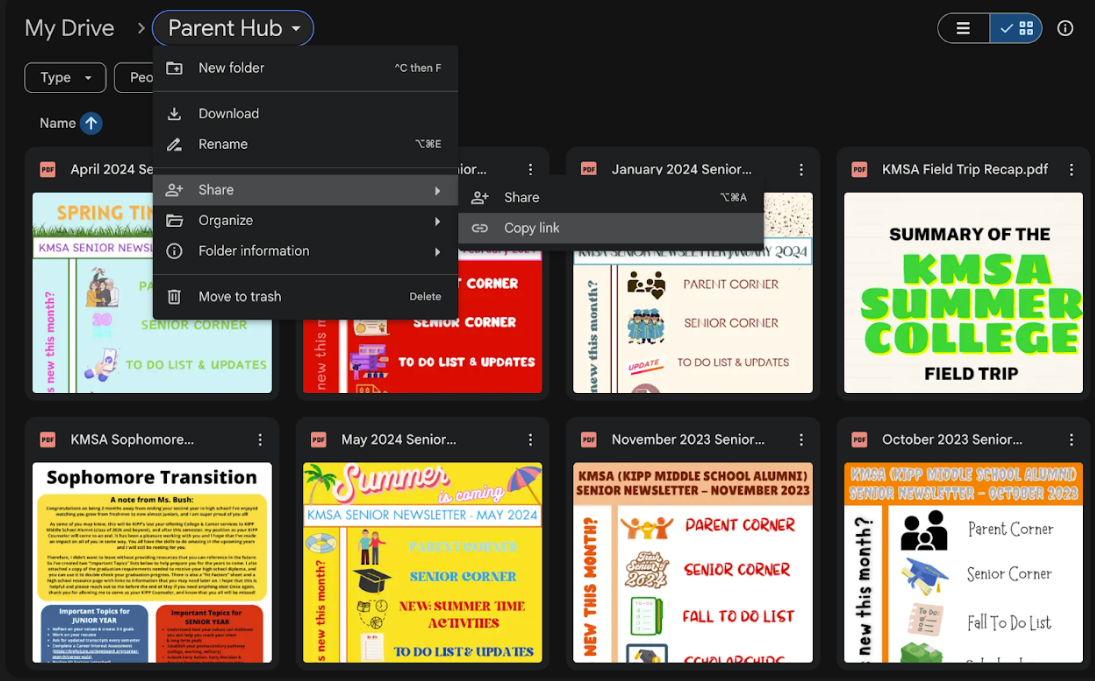
Your Resource Hub can include items like:
Event recordings
Frequently Asked Questions
College lists and scholarship trackers
Presentation slides (see my example below)
Grade-level Checklists (College Board’s checklists are linked in the resources below)
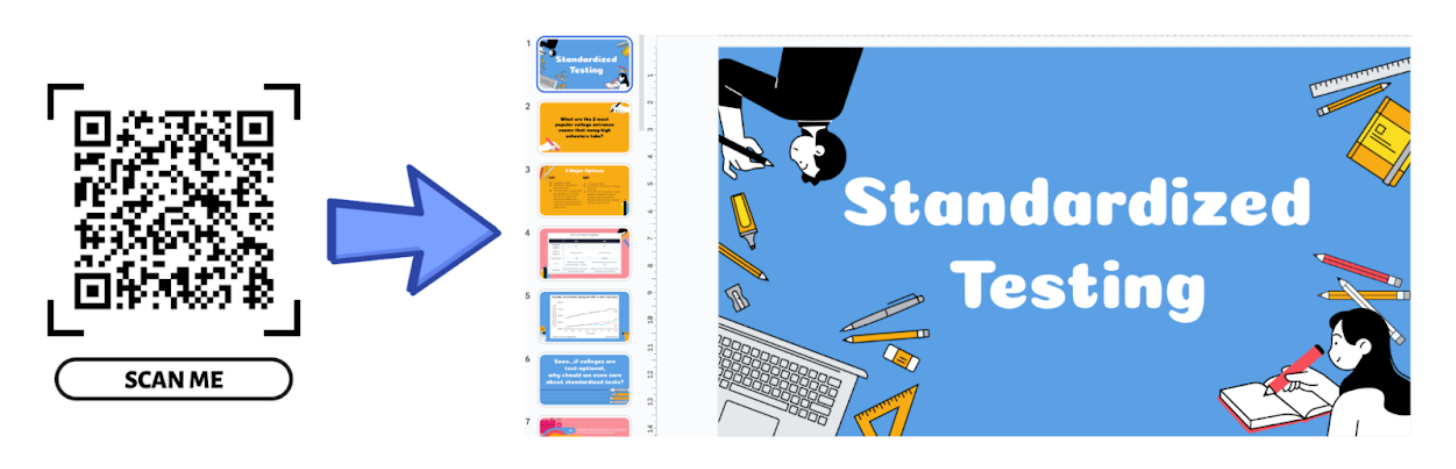
This becomes a go-to resource for families throughout the school year. 💡Another Tip: Contigo Ed tools such as advising templates, Roadmap materials, and College Fit and Match resources can be included in the hub as well.
Contigo Ed gives us tools that meet students and families where they are. In that same spirit, engaging families who cannot attend events should not feel like a barrier. It’s an opportunity to rethink how we communicate and share information. When we create flexible, accessible, and tech-friendly systems, we honor the realities of the families we serve and strengthen the partnership between school and home. Our reach and impact grow when our communication truly meets families where they are. Let’s lead the way in building inclusive systems that ensure every family stays informed, engaged, and empowered.
Resources
